ABOUT ME
My path into product design wasn’t linear.
Before product design, I studied Political Science and spent seven years working in luxury hospitality in New York. Both taught me to pay attention to how people behave, how systems shape their experiences, and what happens when those systems don’t work. Product design became the place where those two perspectives came together.
01 — BEFORE PRODUCT
Seven years in hospitality taught me how to design for people before I ever called it design.
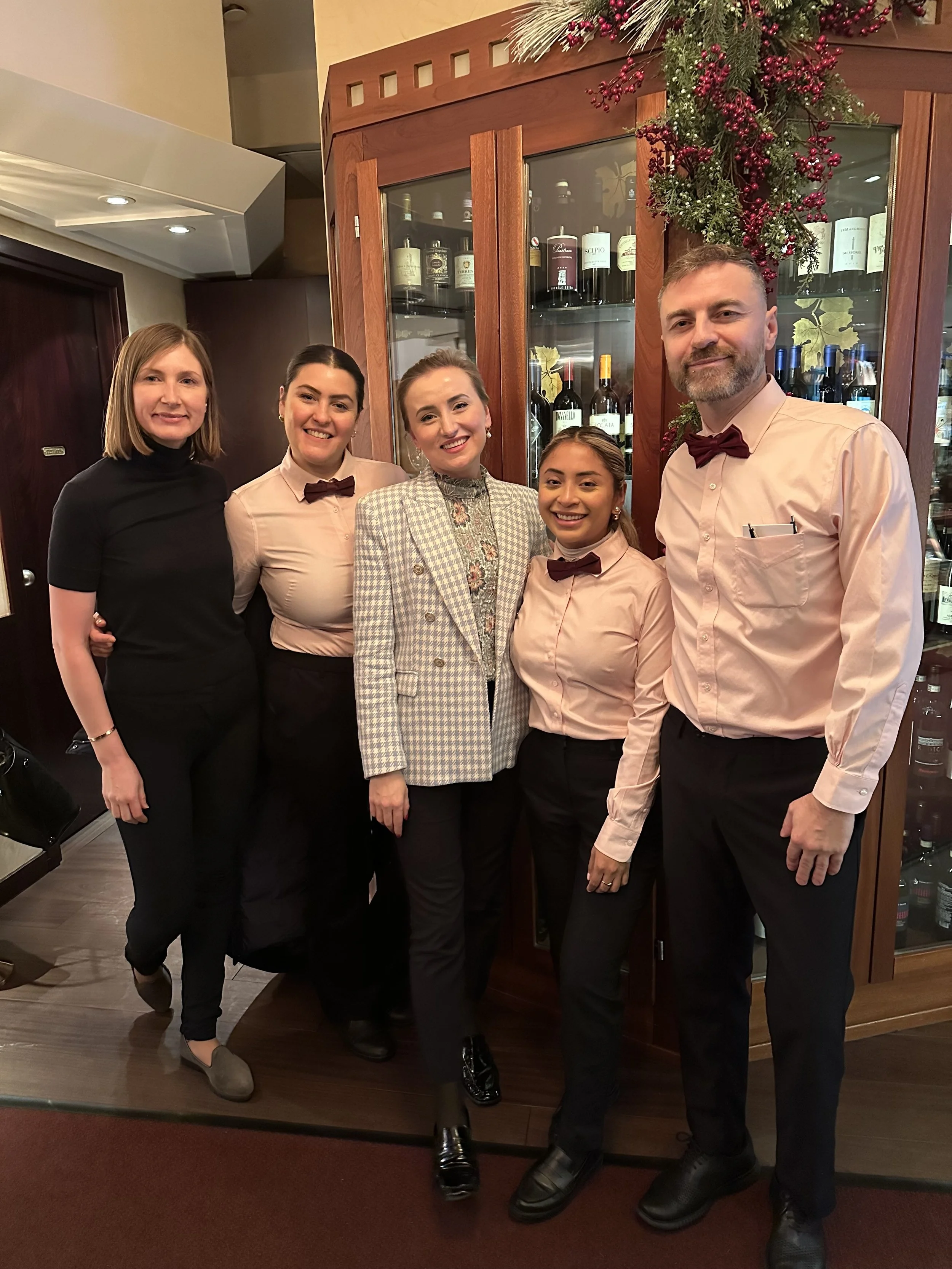
I spent seven years in luxury hospitality in New York, working my way from hostess to Assistant General Manager. Our restaurant was known for high-profile clientele, and I became someone trusted to handle those experiences directly—where expectations were high, requests were often complex, and discretion mattered.
The work taught me to listen closely, anticipate needs, and solve problems in real time without letting the complexity show. Eventually, I realized what I loved most wasn’t specific to restaurants. It was understanding people and creating experiences that felt effortless from their side.
02 — THE PIVOT
Leaving hospitality wasn’t part of the plan.
I had built a career I was proud of, and I genuinely loved the work. But the long hours and physical demands eventually made that pace unsustainable for me. Walking away meant figuring out what I wanted to keep from hospitality—and what I wanted to leave behind.
I knew I didn’t want to lose the parts I loved: understanding people, solving complex problems, anticipating needs, and making difficult experiences feel simple. When I discovered product design, I realized those skills could translate into an entirely different medium.
What started as a career change quickly felt like a continuation of the work I had already been doing—just with different tools.
03 — LEARNING THE CRAFT
I learned the tools. The instincts were already there.
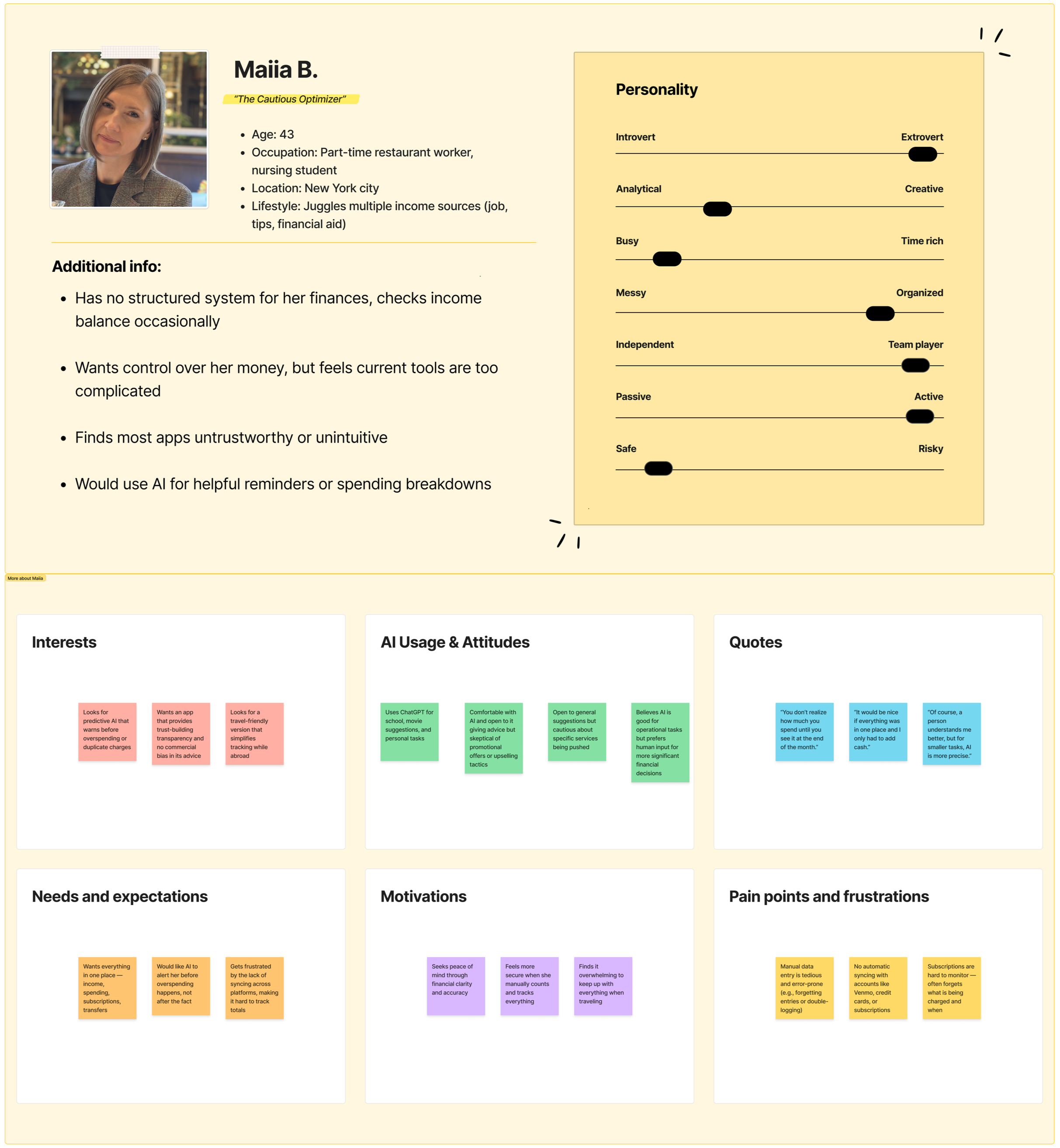
I studied product design through CareerFoundry, learning the process behind the instincts I had developed through years of working with people: research, user interviews, information architecture, prototyping, usability testing, and interface design.
What changed most wasn’t how I thought about people—it was learning how to turn what I observed into systems, test assumptions instead of relying on them, and iterate until an experience actually worked.
01 — Research
02 — Process
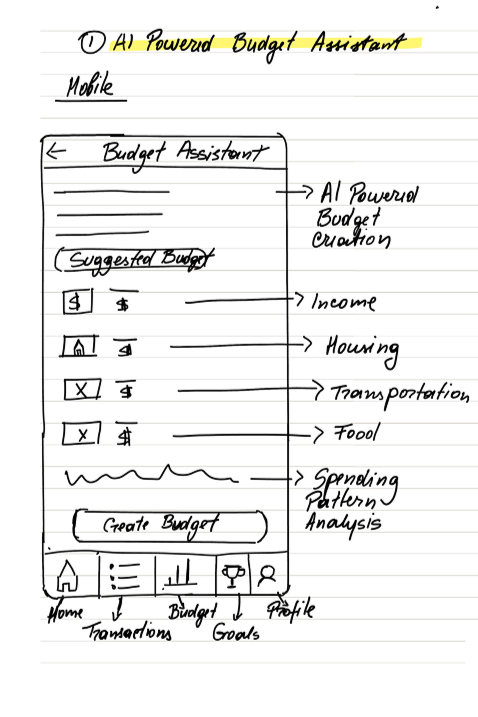
03 — Product
04 — WHAT I BUILD TOWARD
I’m drawn to problems people have learned to live with.
The products I build start with the same observation: people are piecing together imperfect solutions because the right tool doesn’t exist.
That’s the kind of problem I’m drawn to—experiences that are unnecessarily fragmented, complicated, or overlooked. I like understanding how people actually navigate them, then finding ways to make the system feel simpler from their side.
I’m especially interested in products where thoughtful design can turn something stressful or tedious into something that feels clear, intuitive, and genuinely useful.
01 — Observe
Start with how people actually behave.
03— Build
Make complexity disappear for the person using it.
02 — Simplify
Turn insight into something people can actually use.